Torn between the drama of open-water views and the ease of a quick stroll to the sand? In Lido Beach, both options deliver a true coastal lifestyle, yet they come with different risks, rules, and long-term costs. You want the right fit for how you live, not just a pretty view. In this guide, you’ll get a clear comparison, a decision framework, practical checklists, and trusted resources to help you move forward with confidence. Let’s dive in.
Waterfront vs walk-to-beach in Lido Beach
What “waterfront” means here
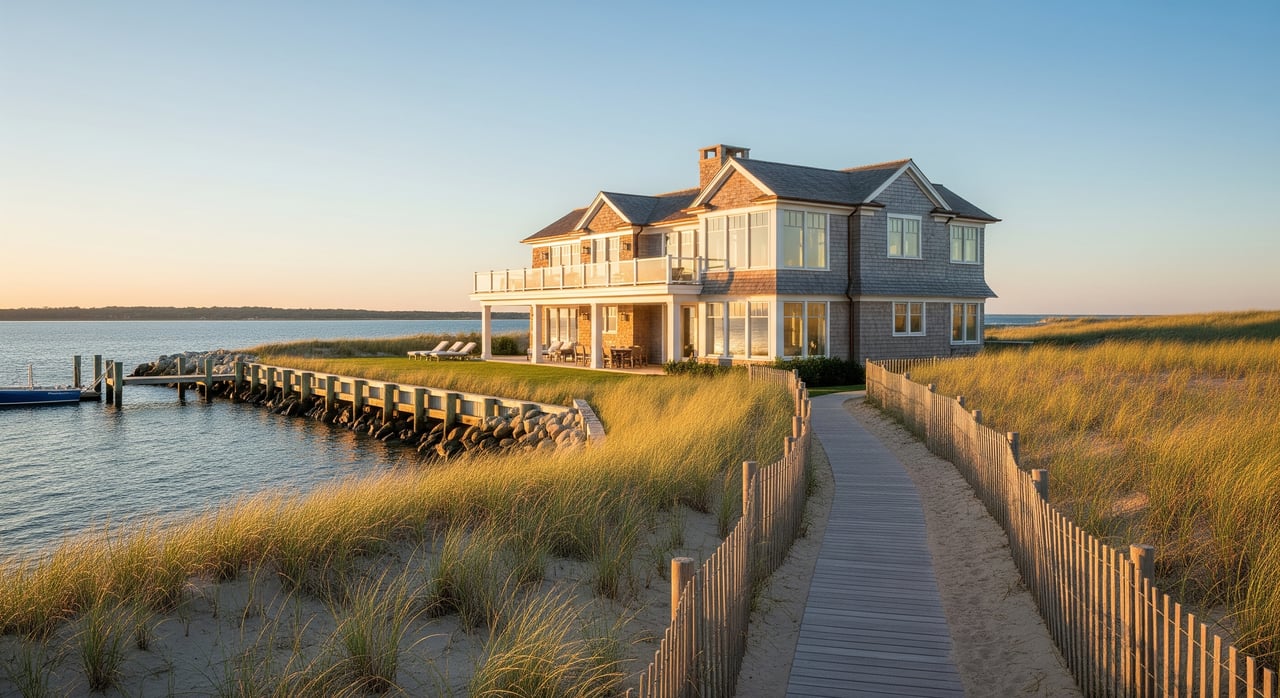
Lido Beach sits on a Long Island barrier island with ocean-facing and bay-side shorelines. Waterfront can mean oceanfront with direct sand access or bay and lagoon frontage with calmer waters. On the bay side, you may see bulkheads, docks, and boat access. Some homes also front dunes, marsh, or protected areas, which can influence what you can build or repair.
What “walk-to-beach” means
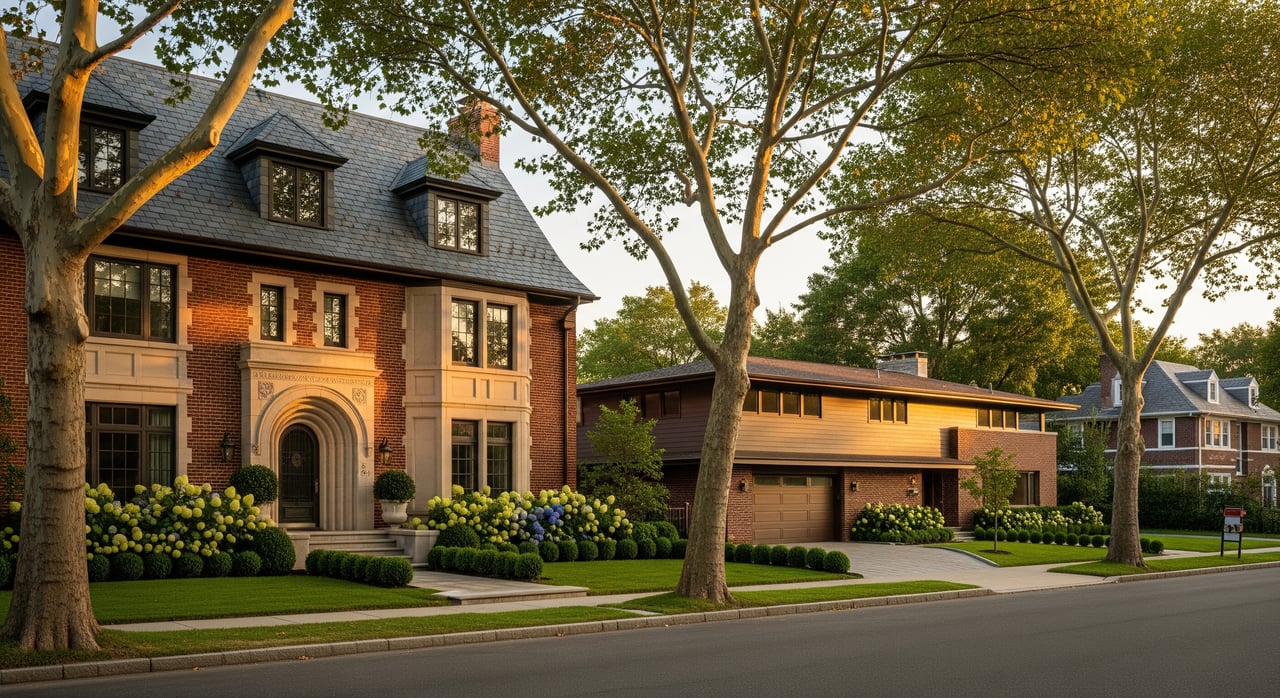
Walk-to-beach homes are inland properties within a short walk of public or managed beach access. In some parts of Long Island, beaches are managed by a municipality or a private association. Always confirm whether access is public, town-managed, or tied to an association, and whether badges, parking permits, or seasonal rules apply.
Key trade-offs at a glance
Lifestyle essentials
- Waterfront: You get immediate views and water access, strong curb appeal, and the ability to launch right from your backyard if you have a dock or bulkhead.
- Walk-to-beach: You enjoy quieter nights, less salt spray on the home, and easier day-to-day living. These homes are often closer to services and the local street grid.
Risk and resilience
- Waterfront: Expect higher exposure to storm surge, wave action, erosion, and damage during nor’easters and hurricanes. Requirements for rebuilding and repairs are stricter near the water.
- Walk-to-beach: Risk is generally lower, but many properties still sit in FEMA flood zones and can be affected by surge or overwash depending on elevation and distance from the shoreline.
For any property, review FEMA Flood Insurance Rate Maps to understand flood zone designations like A, AE, and V or VE. You can look up current mapping at the FEMA Flood Map Service Center.
Cost of ownership
- Insurance: Properties in higher-risk zones often have more expensive flood insurance. Lenders typically require flood insurance if the home is in a mapped floodplain. An Elevation Certificate is important because it documents how your structure sits relative to Base Flood Elevation and can influence premiums. For a primer, see the National Flood Insurance Program flood insurance basics.
- Maintenance: Waterfront homes typically need more frequent exterior upkeep due to salt air and may require regular attention to bulkheads and docks. Walk-to-beach homes usually see lighter coastal wear, though any home in a flood zone benefits from mitigation.
Rules and permits
Coastal construction, renovation, and shoreline work often require approvals from the Town of Hempstead, Nassau County, and New York State. Elevation requirements, setbacks, and freeboard standards can be more stringent near the water. Check with the Town of Hempstead Building Department and relevant state agencies before assuming what is allowed.
A simple decision framework
Use and time horizon
Decide whether this is your primary home, a second home, or a property with rental potential. Seasonal demand is strong in summer across shore communities, but rules for short-term rentals vary by municipality. Confirm what is permitted before you underwrite rental income.
Budget the full picture
Consider purchase price plus flood insurance, maintenance, and potential upgrades. Get quotes for both NFIP and private flood insurance using the property’s elevation data and any claims history. Ask for operating history if available.
Risk tolerance and mitigation
If you want waterfront, weigh your tolerance for coastal exposure and future remapping or code changes. Mitigation like elevating mechanicals and adding flood vents can reduce risk and insurance costs. Use tools like the NOAA Sea Level Rise Viewer for long-term context.
Access and everyday convenience
If you prize daily convenience and lower upkeep, walk-to-beach may deliver the right balance. If boating at sunrise or ocean views from your deck is non-negotiable, waterfront may be worth the added complexity.
Buyer checklist: what to verify before you write an offer
- Pull a parcel-specific flood map excerpt and confirm the property’s FEMA zone designation and Base Flood Elevation at the FEMA Flood Map Service Center.
- Request the seller’s flood insurance declaration page, premium history, and any claims history.
- Ask for an Elevation Certificate and documentation of any elevation or floodproofing work.
- Review building permits and certificates of occupancy for renovations, bulkheads, docks, or mechanical relocations.
- Order a structural inspection focusing on foundation or pilings, bulkhead condition, corrosion, and evidence of prior flooding. Add a wind mitigation review for roof tie-downs and exterior components.
- Obtain a current survey that shows property lines, shoreline or bulkhead location, and any encroachments.
- Confirm utilities: municipal sewer or private septic, and where mechanicals are located relative to anticipated flood levels.
- Verify beach access, association rights, badges, parking, and any short-term rental rules that apply.
Selling checklist: prepare to win
- Complete disclosures for any prior flood or storm damage and provide dates and documentation of repairs where applicable.
- Gather permits, final inspections, contractor records, and warranties for bulkheads, docks, mitigation, or elevation work.
- Provide copies of active insurance declarations and recent premiums if available.
- Consider commissioning an Elevation Certificate or pre-listing inspections to help buyers and underwriters price risk accurately.
- Be ready to discuss mitigation improvements and maintenance history that support buyer confidence and value.
Scenarios: which fits you best?
The boater who lives on the water
If dock access and evening cruises define your lifestyle, bayfront or lagoon-front can be ideal. Budget for bulkhead maintenance and flood insurance, confirm dock permits, and get a marine-focused inspection. Build contingencies for insurance approval and acceptable premium thresholds.
The easy-living beachgoer
If you want sand time without the upkeep, a walk-to-beach home offers a quieter setting and typically lower maintenance. Verify the walking route to public access, any badge requirements, and elevation relative to FEMA maps.
The investor planning seasonal use
If rental income matters, check municipal short-term rental rules and seasonal demand patterns. Waterfront may command a premium where permitted, but carrying costs and vacancy risk matter. Walk-to-beach can appeal to a wider buyer pool at resale thanks to balanced costs and convenience.
Mitigation moves that can protect value
- Elevate the home or add freeboard above the Base Flood Elevation.
- Raise mechanicals, electrical panels, and ductwork above expected flood levels.
- Add engineered flood vents for enclosures below elevated floors.
- Repair or reinforce bulkheads and docks with documented permits and engineering.
- Use corrosion-resistant materials and coatings on exterior elements.
- Explore landscape solutions or living shorelines where permitted to reduce erosion.
Local resources to guide your next step
- Review flood zones, BFEs, and mapping changes at the FEMA Flood Map Service Center.
- Learn insurance basics and mitigation impacts through the National Flood Insurance Program flood insurance basics.
- Explore long-term scenarios with the NOAA Sea Level Rise Viewer.
- Confirm permits, coastal rules, and inspections with the Town of Hempstead Building Department.
Your next best move
Whether you choose waterfront or walk-to-beach in Lido Beach, the right preparation makes the difference. If you want a calm, expert guide through flood maps, permits, insurance quotes, and neighborhood nuances, connect with Shira Benedetto for boutique, white-glove support tailored to your goals.
FAQs
How do flood zones impact Lido Beach home choices?
- FEMA zones like A, AE, and V or VE influence both risk and required flood insurance; verify a property’s zone and Base Flood Elevation before making an offer.
What documents should I request when buying near the water?
- Ask for the Elevation Certificate, flood insurance declarations and claims history, permits and COs for elevation or shoreline work, and a recent survey.
Do waterfront homes always cost more to insure than walk-to-beach?
- Not always, but waterfront properties are more likely to be in higher-risk zones; elevation, mitigation, and claims history can lower or increase premiums.
Can I rebuild a damaged waterfront home in the same spot?
- Rebuild options depend on local, state, and federal regulations, setbacks, elevation requirements, and whether damage is substantial; consult the town before planning.
Are docks and bulkheads automatically allowed on bayfront lots?
- No, shoreline structures often require permits from local and state agencies and sometimes federal authorities; rules protect wetlands, dunes, and coastal stability.
What maintenance is typical for waterfront properties?
- Expect more frequent exterior upkeep due to salt exposure and regular bulkhead or dock inspections and repairs to preserve safety and value.