Trying to decide between a charming prewar or an easy-living postwar home in Rockville Centre? You are not alone. Many buyers here weigh architectural character against modern systems and renovation costs. In this guide, you will learn how each era differs in construction, floor plans, mechanicals, maintenance, and what to inspect before you bid. Let’s dive in.
What prewar and postwar mean here
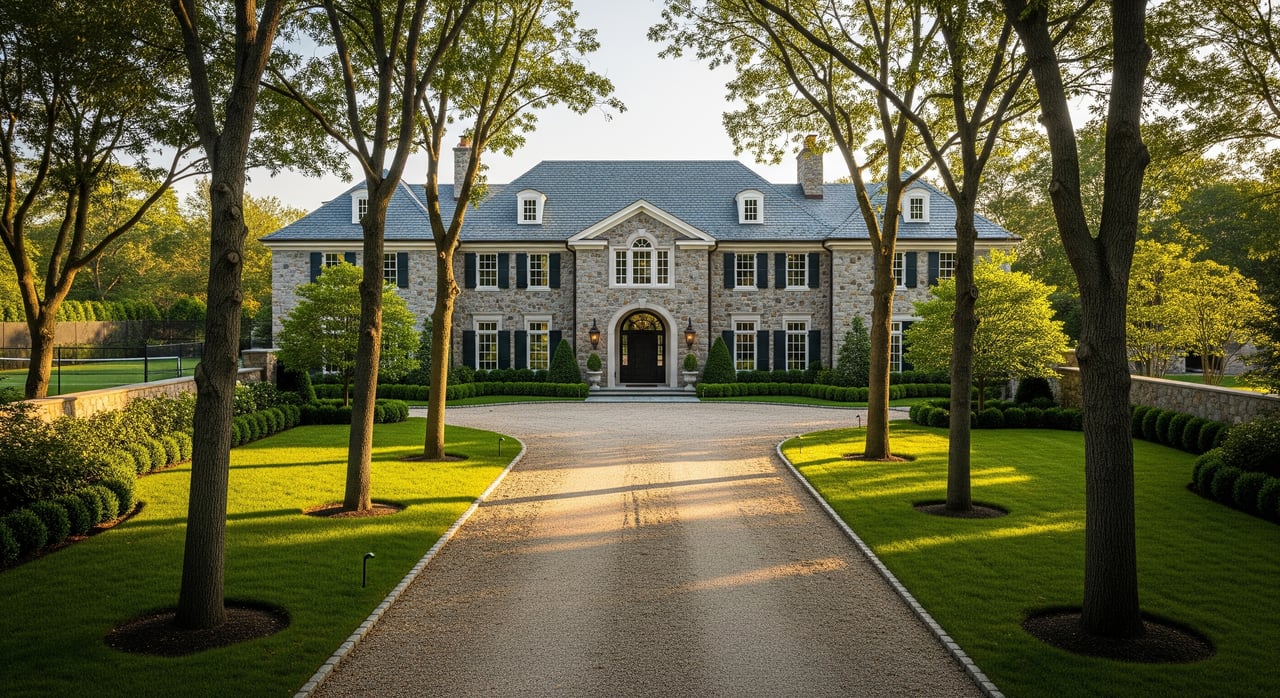
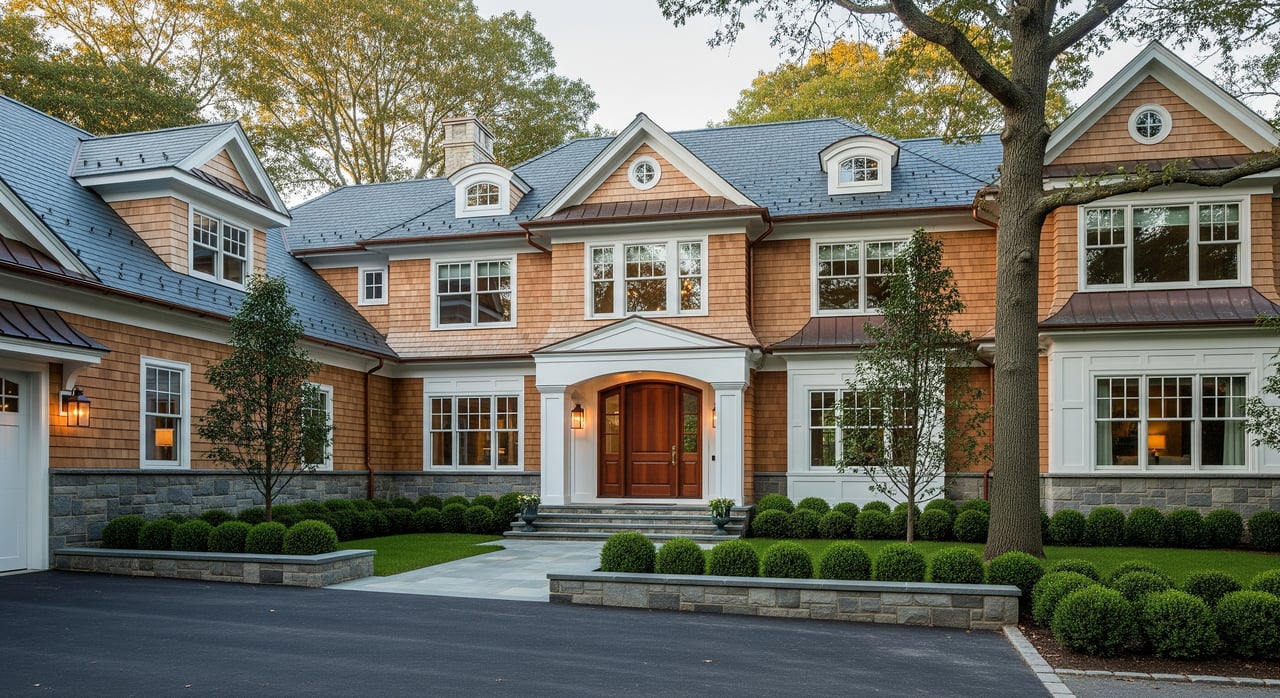
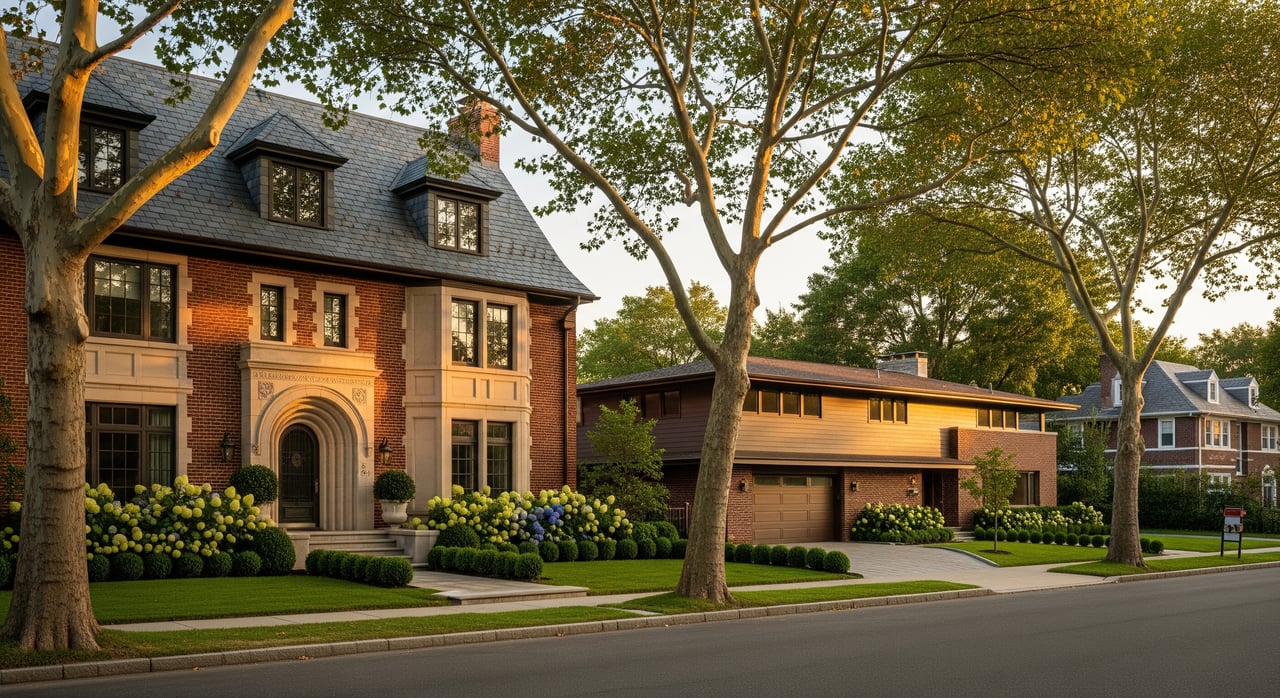
In Rockville Centre, “prewar” generally means homes built before 1945. You will see styles like Colonial Revival, Tudor, Victorian, and early bungalows closer to the village center and the rail station. “Postwar” usually means homes built from about 1946 to 1969, including ranches, split-levels, mid-century colonials, and Cape Cods in subdivisions farther from downtown.
Local demand is shaped by proximity to the LIRR Rockville Centre station, village amenities, and other location factors. That mix often creates a premium for well-kept character homes near the center, while move-in ready postwar homes appeal to buyers who want simpler layouts and easier updates.
Construction and design differences
Exterior shell and structure
- Foundations: Prewar houses may have stone or brick footings or early poured concrete, which can show settling and mortar wear. Postwar homes more often use poured concrete foundations that are consistent but still face Long Island groundwater pressure.
- Exterior walls: Prewar exteriors range from brick veneer to wood clapboard or stucco, often over heavier framing. Postwar homes use modern stud framing with plywood or OSB sheathing, and many later received vinyl or aluminum siding.
- Roofs: Prewar roofs often have steeper pitches and more complex lines. Postwar roofs tend to be simpler, with asphalt shingles and lower slopes on ranches and split-levels.
- Windows: Prewar homes often retain tall wood sash windows with divided lights that add charm but can be drafty. Postwar homes started with simpler single-pane units, many of which have been replaced over time.
Interior layout and finishes
- Floor plans: Prewar homes favor distinct rooms and higher ceilings, with formal entries, separate dining rooms, and galley-style kitchens in older examples. Postwar homes lean toward informal family living, with ranch and split-level layouts and, by the late 1950s, larger kitchens.
- Space and storage: Prewar homes may offer generous public rooms and unique millwork but smaller kitchens and baths. Postwar homes often include attached garages, more closets, and straightforward circulation.
- Materials: Prewar interiors typically feature plaster and lath walls, ornate trim, and hardwood floors. Postwar homes largely use drywall, simpler trim, and integrated garage or carport spaces.
Character vs flexibility
- Prewar strengths: Architectural detail, millwork, and taller ceilings create a sense of proportion that is hard to replicate. These features often drive demand when well preserved.
- Postwar strengths: Simpler framing and finishes can be easier and less costly to reconfigure. One-story living in ranches and practical split-levels supports aging in place and family convenience.
Systems, hazards, and efficiency
Electrical systems
Prewar homes can still hide knob-and-tube or cloth-insulated wiring, along with 60A or 100A service and fuse boxes. Many insurers and lenders see these as outdated and may require upgrades. Postwar homes often have 100A service but may lack grounding or modern breakers. A 200A service is commonly recommended for today’s HVAC, kitchen appliances, and EV charging. Have a licensed electrician check for panel brand red flags, proper grounding, and any remaining knob-and-tube.
Plumbing
Prewar homes may retain galvanized steel supply lines that corrode and reduce water flow, along with cast-iron waste pipes that can rust through. Some very old systems could include lead components that should be evaluated. Postwar homes transitioned to copper, with PVC, ABS, or PEX found in later updates. Repiping sections or full systems is a typical project to plan and budget for.
Heating and cooling
Prewar properties often use steam or hot-water radiator systems powered by older oil or gas boilers. These can be durable but less efficient and lack ductwork for central AC. Postwar homes are more likely to have forced-air furnaces and existing duct runs that accommodate central AC. If ducts are impractical, many buyers add mini-split systems for efficient cooling and heating.
Insulation and energy
Prewar walls and windows often have minimal insulation and more air leakage. Postwar homes usually have at least some attic and wall insulation, depending on year and updates. Weatherization, attic insulation, targeted air sealing, and window improvements typically offer strong returns. Look into NYSERDA and PSEG Long Island programs for potential rebates on insulation and heat pumps.
Lead, asbestos, and radon
Any home built before 1978 may contain lead-based paint. Many pre-1978 materials can also include asbestos, such as old floor tiles, pipe insulation, and duct wrap. Follow EPA Renovation, Repair and Painting rules when disturbing painted or suspect materials and consult licensed abatement professionals for friable asbestos. Radon testing is an inexpensive add-on during inspection and is recommended.
Basements and groundwater
High groundwater is a reality in parts of Nassau County, including areas on the South Shore. Both prewar and postwar homes can show dampness, seepage, or hydrostatic pressure in basements. Check for sump pumps, dewatering systems, efflorescence, and crack repairs. If the property is near marshes or the bay, review flood zone status and insurance implications.
Buying and renovation: what to plan for
Inspections to order
- Full home inspection that includes structure, roof, and basement
- Licensed electrical inspection for service size, panel brand, and wiring type
- Plumbing inspection for supply and drain materials, water heater, and sewer connection
- HVAC inspection, including combustion safety for older boilers or furnaces
- Mold and moisture assessment if the basement shows water signs
- Lead paint risk review for pre-1978 homes
- Asbestos survey if you plan renovations that may disturb suspect materials
- Radon test
- Sewer lateral verification and permit history
- Flood zone check and insurance screening
Permits and code
Renovations and additions require permits from the Village of Rockville Centre and, in some cases, Nassau County. If the home is in a local historic area, exterior changes may face review, so confirm rules before planning exterior work. Larger projects can trigger modern code requirements, including insulation levels, egress, and updated smoke and CO detectors.
Insurance and lending
Homes with older electrical, oil tanks, or unlined chimneys may face insurance restrictions. Properties in certain FEMA flood zones may require flood insurance. FHA and VA loans have minimum property standards, so visible hazards might need attention before closing. It is smart to discuss the home’s condition with your lender and insurance broker early.
Budget and scope planning
Common early projects include electrical service and panel upgrades, repiping older lines, HVAC replacement or adding central AC or mini-splits, insulation and window improvements, and basement waterproofing. Costs vary based on permit needs, any lead or asbestos handling, access to walls and ceilings, and how closely you want to match existing finishes. Get multiple written estimates, ask for line items, and hire contractors experienced with homes from your target era.
Quick showing checklist
- Electrical: fuse box, unlabeled panels, cloth or knob-and-tube wiring
- Plumbing: low water pressure, slow drains, rusted pipes, water stains
- Basement: musty odor, efflorescence, visible cracks, multiple sump pumps
- Roof and attic: signs of leaks, minimal insulation, old exposed wiring
- Windows: soft or rotted sills, drafty single-pane units
- Grading: soil sloping toward the foundation, downspouts discharging at the base
- Environmental: peeling paint in pre-1978 homes, friable insulation, visible oil tank
Which era fits your goals
Choose prewar if you value detailed craftsmanship, taller ceilings, and a classic street presence near the village core. Plan for potential system upgrades and window, insulation, or roof work over time. Choose postwar if you want practical layouts, attached garages, and easier reconfiguration, with a good chance of existing ductwork for central AC.
Location and condition often matter more than era. If the property aligns with your commute and daily routine, you can tailor updates to your budget and timeline. The right inspection plan and a realistic scope will help you buy with confidence.
How Shira helps you buy smarter
You deserve a guide who knows Rockville Centre housing by era and block. Shira provides curated tours by lifestyle and commute, points out red flags in real time, connects you with trusted inspectors and contractors, and helps you map upgrades to your budget. From negotiation strategy to permit planning, you get clear steps and steady communication.
Ready to compare specific prewar and postwar options and see true costs before you bid? Reach out to Shira Benedetto for a personalized plan, local resources, and a smooth path from offer to keys.
FAQs
What is a prewar home in Rockville Centre
- A prewar home here typically means it was built before 1945, often with classic styles like Colonial Revival, Tudor, Victorian, or early bungalows.
What is a postwar home in Rockville Centre
- A postwar home usually means it was built from about 1946 to 1969, commonly ranches, split-levels, mid-century colonials, and Cape Cods.
What inspections should I order for an older home
- Schedule a full home inspection plus electrical, plumbing, HVAC, lead paint, asbestos, radon, moisture, sewer connection, and a flood zone review.
Are knob-and-tube wiring or old panels a deal-breaker
- Not always, but they can affect insurance and lending; plan for upgrades and have a licensed electrician evaluate service size, wiring, and panel brand.
How hard is it to add central AC to a prewar house
- If ducts are not present, mini-splits are a common retrofit; adding full ductwork is possible but can be more invasive and should be priced by an HVAC pro.
Should I worry about lead paint and asbestos in these homes
- Yes for pre-1978 properties; use certified professionals for testing and follow EPA renovation rules when disturbing painted or suspect materials.
Do Rockville Centre homes face basement water issues
- Many do due to local groundwater; check for sump pumps, cracks, efflorescence, and prior waterproofing, and review flood zone status and insurance.