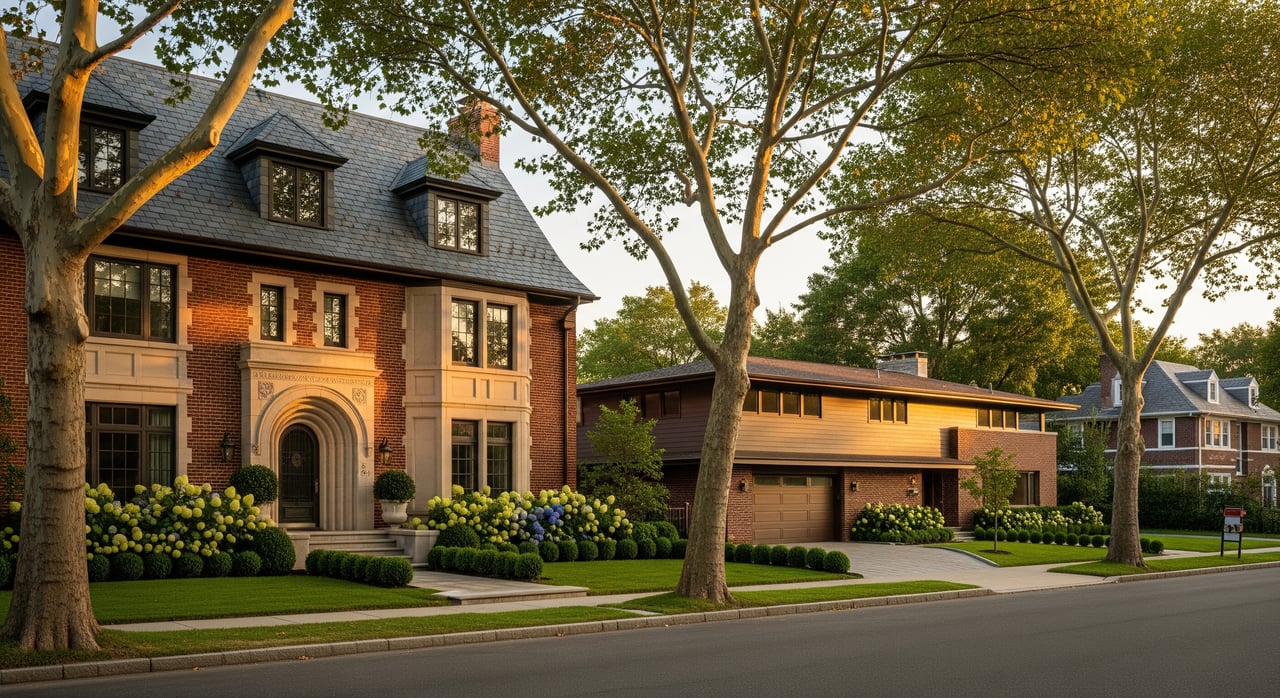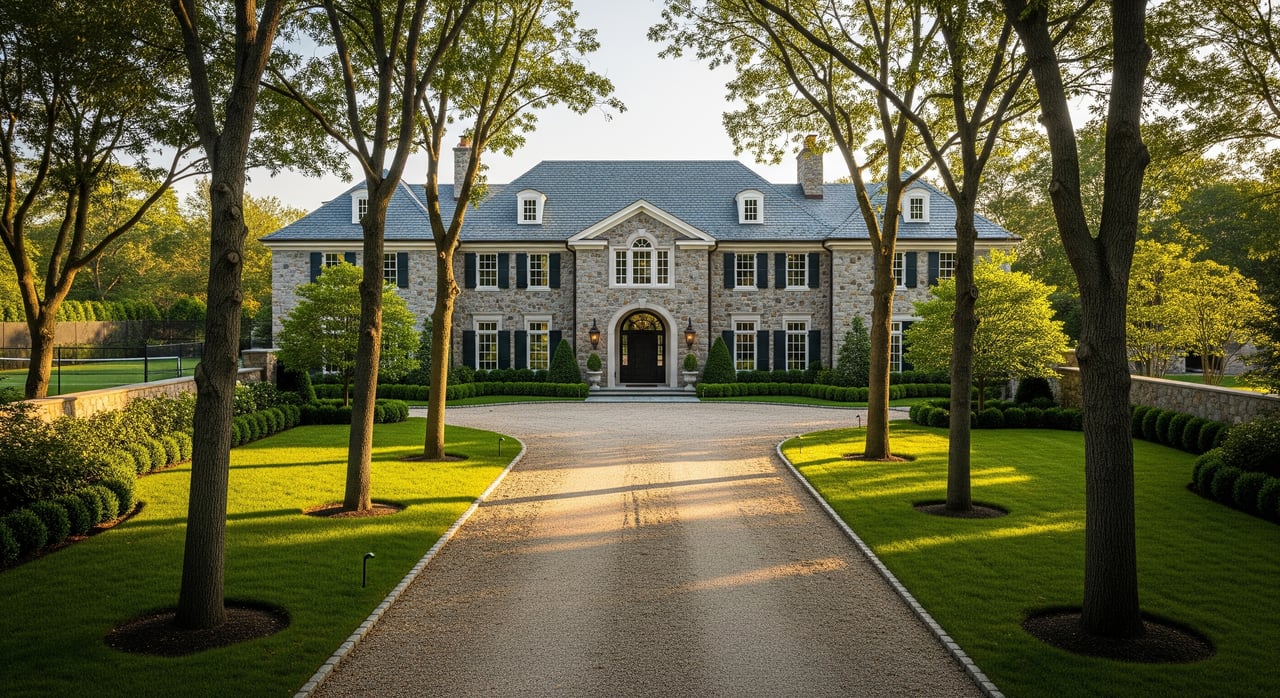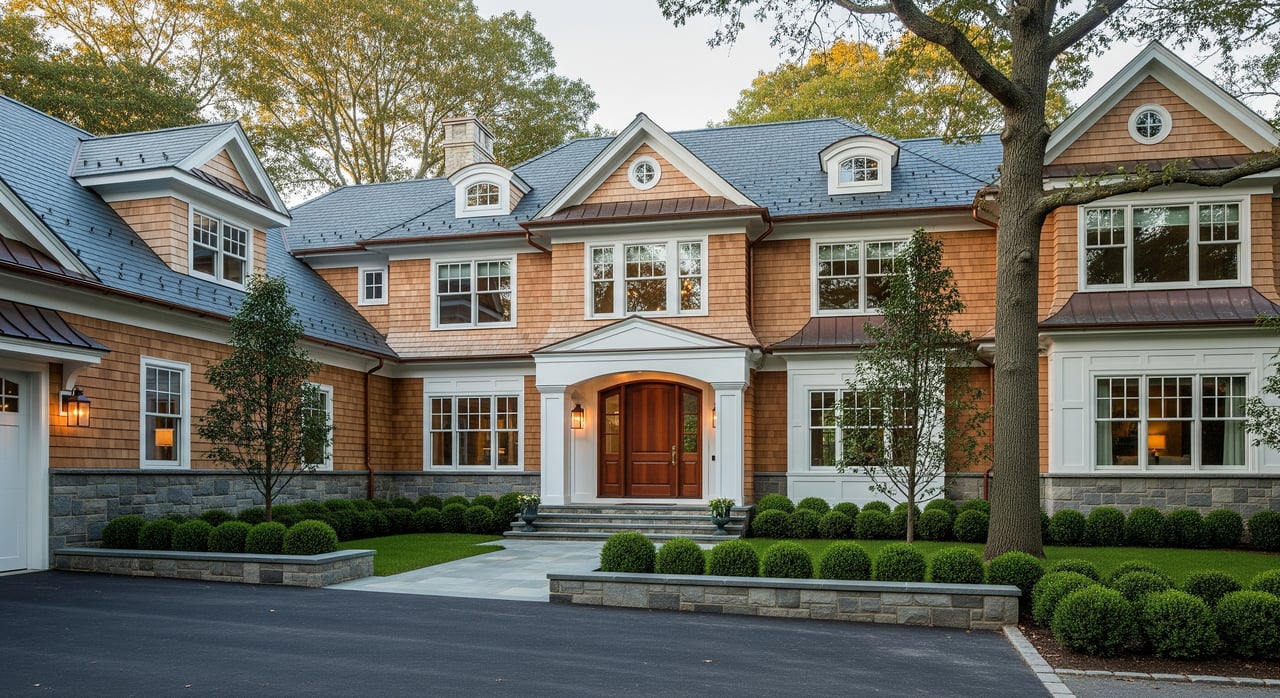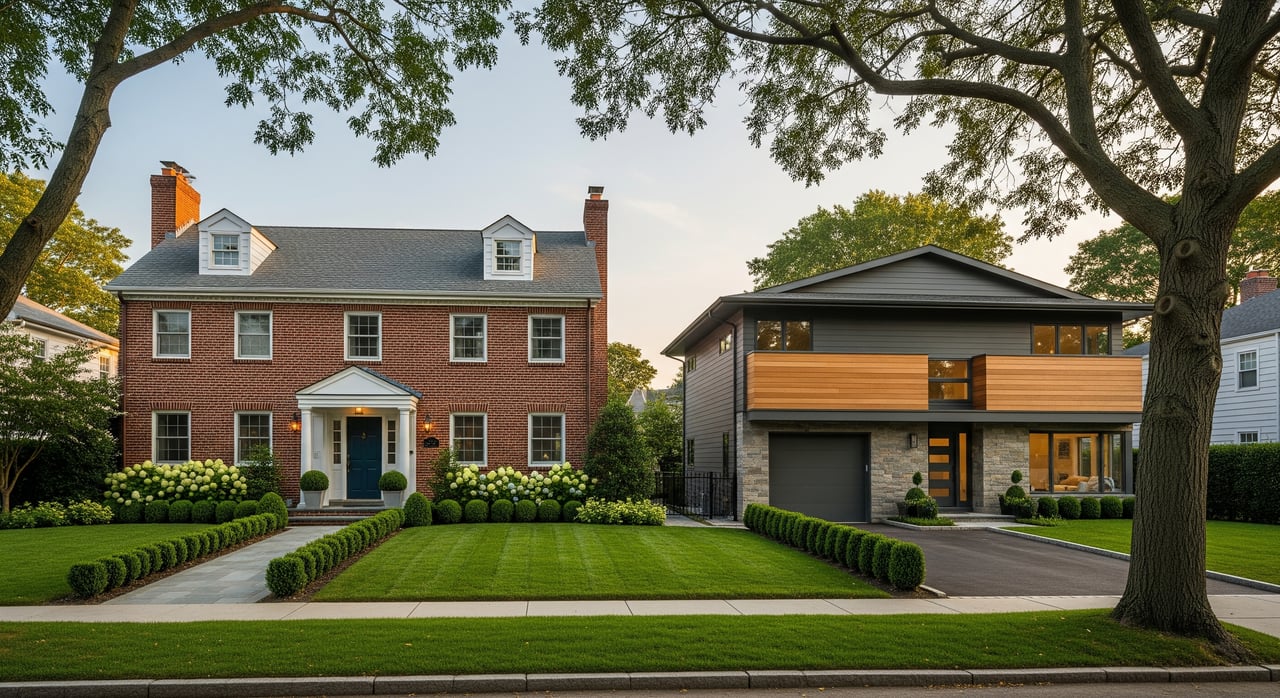
Trying to choose between a Colonial and a split‑level home in Wantagh? You are not alone. Both styles show up across the South Shore, and each offers real benefits depending on your needs, your renovation plans, and the specific block. In this guide, you will learn how layouts differ, how Wantagh’s coastal location and commute shape value, and what to inspect before you buy or list. Let’s dive in.
Colonial vs split‑level basics
Colonial
- Two full stories with bedrooms upstairs and formal living and dining on the main level.
- Symmetrical curb appeal with a central entry and traditional aesthetic.
- Clear separation of public and private spaces that many families like.
- Original layouts can feel closed, though many have been opened during renovations.
Split‑level
- Staggered levels connected by short stairs, with a foyer landing that goes up and down.
- Lower level is often partly below grade with a family room, and an attached garage on a mid level.
- Efficient use of space on smaller lots and distinct zones for daily life.
- Multiple short stairs can be a challenge for accessibility and daylight can be limited on the lower level.
Both styles on Long Island are often wood‑frame builds from the postwar period. Older mechanicals, oil heat, and original electrical service are still common in some homes. That is why a careful inspection and targeted upgrades matter.
Wantagh factors that matter
Commute and transportation
Wantagh has a Long Island Rail Road station on the Babylon Branch, which draws NYC commuters. Check schedules and frequency on the Long Island Rail Road site so you can confirm daily timing and transfer options.
Schools and due diligence
School district assignment influences many buyers’ choices. Verify current data using the New York State Education Department report cards and confirm the property’s assigned school district with the listing agent or public records.
Coastal setting and flood risk
Parts of Wantagh sit near bays and the Atlantic, so flood zone status can affect insurance, mortgages, and resale. Look up any address on the FEMA Flood Map Service Center to confirm the zone and discuss premium estimates with an insurer before you make an offer. Pay special attention to basements and lower levels.
Lots, expansions, and permits
Lot sizes and setbacks vary by street. If you want to add on or reconfigure, review permits and zoning with the Town of Hempstead Building Department before you plan a project. This is especially important for split‑levels where raising ceilings or reworking levels can involve structural changes.
Taxes and affordability
Nassau County has comparatively high property taxes. Include taxes, potential flood insurance, and upcoming upgrades in your monthly budget so you have a full picture of affordability.
Layout and renovation potential
Colonial: flow, openness, and upgrades
A Colonial typically has formal rooms on the main level and all bedrooms upstairs. Many buyers like the privacy and upstairs bedroom sizes. If you want an open kitchen‑to‑family‑room layout, removing a wall and installing a beam is a common path that is usually straightforward in a two‑story plan. Focus upgrades on kitchen, baths, and energy efficiency. Check attic insulation and windows, which are frequent cost‑savers.
Split‑level: zones, light, and structural choices
Split‑levels shine when you want defined spaces for daily life. The lower level is popular for a playroom or media room, with bedrooms up a half flight on the upper level. Opening the plan can be trickier if you try to rework multiple staggered floors. Raising ceiling heights or adding daylight to the lower level can drive costs. If you prioritize modern flow, get structural input up front so you price the work accurately.
Inspections and maintenance
Water and drainage
- Split‑levels: Review lower‑level waterproofing, sump pumps, and signs of moisture like efflorescence. Because the space may sit partly below grade, drainage and grading matter a lot.
- Colonials: Full basements have similar concerns. Check gutters, downspouts, and grading to move water away from the foundation.
Mechanical systems and utilities
- Confirm age and fuel type for heating. Some homes still run oil heat. Evaluate conversion options if you plan to switch fuels.
- Check hot water heater age and capacity, and central AC sizing.
- Review electrical service. Mid‑century homes may have 100‑amp panels. Upgrading to 200‑amp service supports modern usage.
- Insulation and windows are key for comfort and efficiency in older builds.
Roof, structure, and interiors
- Split‑levels often have complex rooflines. Verify roof age and flashing details around level changes.
- Colonials may have simpler roof planes but still confirm replacement history.
- Plan for safe stairs, updated handrails, and code‑compliant changes if you renovate.
- When opening walls, verify which are load‑bearing and budget for beams and permits.
Older‑home hazards
Homes built before 1978 can include lead‑based paint. Some older ducting, floor tiles, or insulation may involve asbestos. Discuss with your inspector and plan costs if testing or abatement is needed.
Pricing and comps in Wantagh
Build apples‑to‑apples comparisons
To understand today’s pricing, review recent closed sales through a local MLS with a Wantagh agent. Filter by style, square footage, bedroom and bath count, lot size, garage, and level of renovation. Keep your radius tight so you capture micro‑neighborhood differences, and give extra weight to updates that reduce risk and cost, such as waterproofing, mechanical upgrades, and kitchen or bath remodels.
For public records and tax history, use the Nassau County property assessment database. Always verify flood zone improvements and permits, and note whether a split‑level offers a finished lower level comparable to a finished basement in a Colonial.
Resale expectations
Value retention depends more on condition, layout, school assignment, flood risk, and updates than on the label of Colonial or split‑level. In marketing, highlight what the home does best. For Colonials, show formal rooms and upstairs bedroom count. For split‑levels, show how each zone works for daily life and highlight finished lower‑level space.
Buyer checklist
- Accessibility: Are multiple short stairs a concern? If yes, a split‑level may be less ideal. A two‑story Colonial also has stairs but they are conventional and centralized.
- Flood risk: Check every address on the FEMA Flood Map Service Center and price insurance with your lender and insurer.
- Renovation budget: Opening a first‑floor Colonial can be straightforward. Reworking split‑level levels can be more complex. Get bids before you commit.
- Systems and efficiency: Ask about heating fuel, panel size, insulation, windows, and roof age.
- Commute and schedules: Confirm timing on the LIRR site for the Babylon Branch.
- Schools: Review NYSED report cards and confirm district assignment for the property.
Seller checklist
- Disclosures: Provide clear details about flood zone status, prior storm impacts, waterproofing, permits, and system upgrades.
- Staging and flow: For split‑levels, define each level’s purpose. For Colonials, stage formal rooms and highlight upstairs bedroom layouts.
- High‑impact updates: Kitchens, bathrooms, mechanicals, and window or insulation improvements attract attention.
- Pricing: Use recent MLS comps by style, size, and condition. If inventory skews to one style, note how your home fills a gap.
- Permits and records: Confirm finaled permits with the Town of Hempstead Building Department. Organized records build buyer trust.
Quick decision guide
- Choose a Colonial if you want classic curb appeal, bedrooms grouped upstairs, and a layout that is often easier to open on the main level.
- Choose a split‑level if you prefer defined zones for daily life, an efficient footprint, and a lower level that can function as bonus space.
- In both cases, prioritize flood risk, mechanicals, and documented upgrades. These often matter more for comfort and resale than the exterior style alone.
When you are ready to compare actual homes and price today’s market with accurate comps, connect with a local expert who knows the streets, the flood maps, and the permits. For personalized guidance and a calm, concierge process, reach out to Shira Benedetto.
FAQs
Which style holds value better in Wantagh?
- Value depends more on condition, layout, school assignment, flood risk, and recent updates than on style alone. Review recent MLS comps for a clear read.
Are split‑level homes harder to sell in Wantagh?
- Split‑levels appeal to buyers who want defined zones and bonus lower‑level space. Buyers seeking single‑floor living or minimal stairs may prefer other styles.
Do I need flood insurance for a Wantagh home near the bay?
- It depends on your FEMA flood zone and lender rules. Look up the address on the FEMA Flood Map Service Center and price coverage with an insurer.
Is it worth opening a split‑level to a modern plan?
- It can be, but structural work and daylight improvements in lower levels raise costs. Get contractor and structural estimates before deciding.
How can I confirm commute times from Wantagh to NYC?
- Check Babylon Branch schedules and service updates on the Long Island Rail Road site and test your door‑to‑door route at your usual commute times.